That’s why children no longer read storybooks – and adults (to their children) no longer read them.
When a fairy tale loses its soul
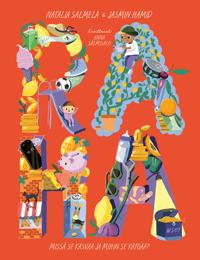
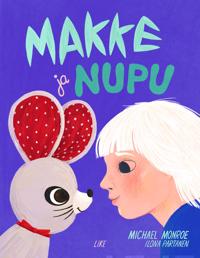
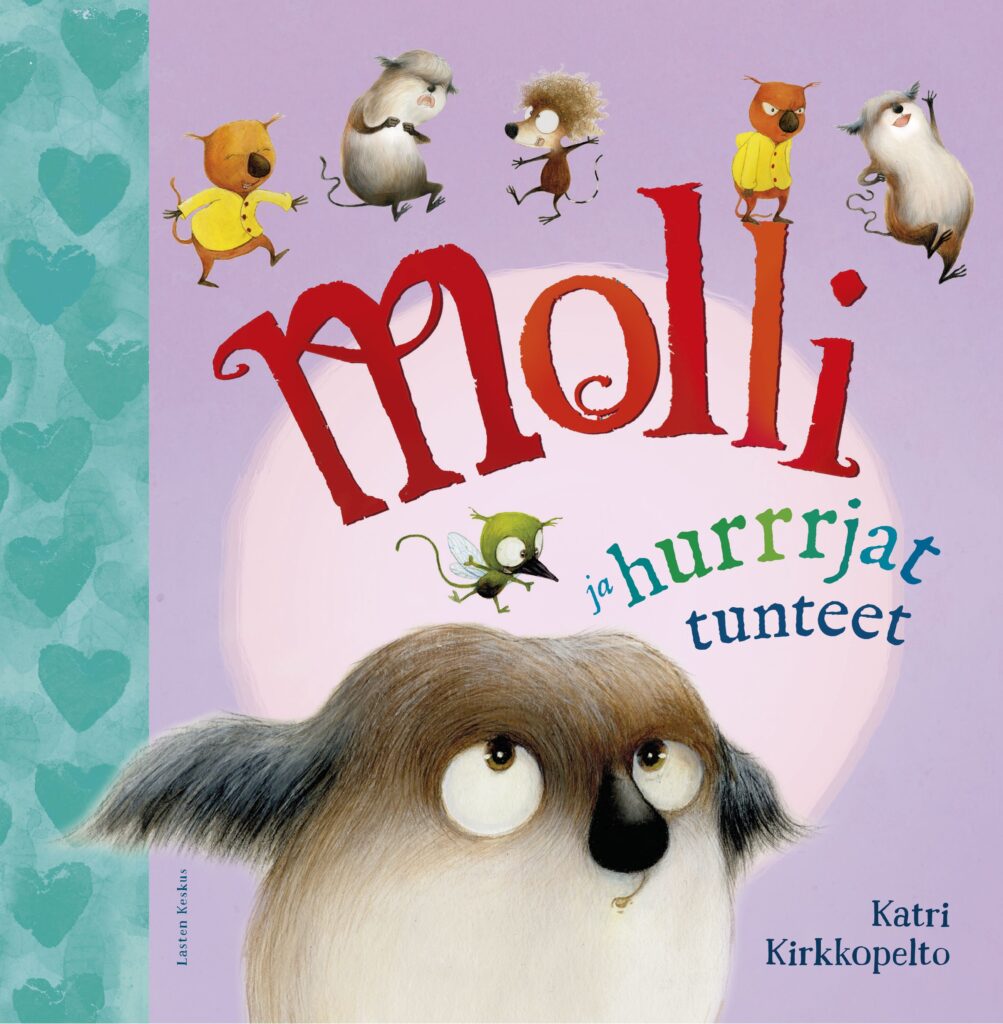
Today’s children’s books are so similar to each other that they could be exchanged without anyone noticing the difference.
Everything is safe, thoroughly explained on behalf of the children and ALWAYS right for the times . As right as it can be and oh, that even moose are scared.
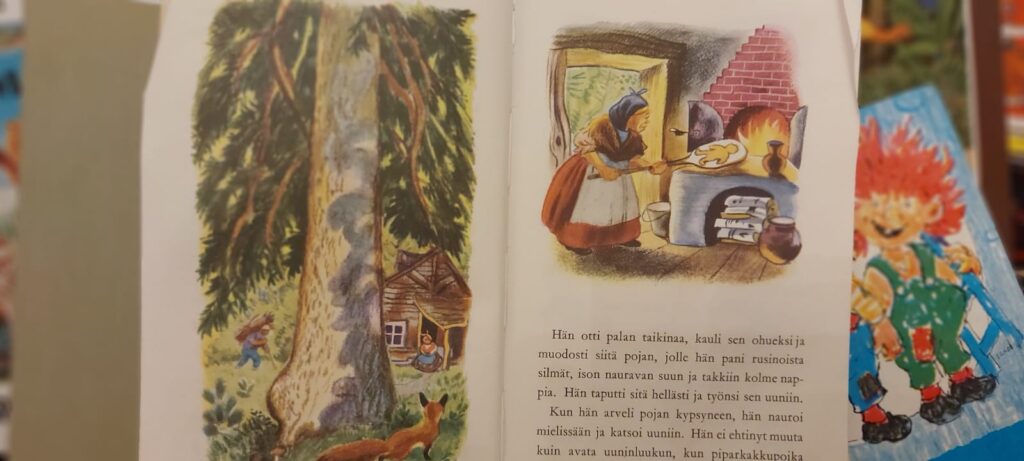
However, a real fairy tale is never “nice and appropriate” by the standards invented by adults — but a wonderfully “wrong” adventure full of knots, bends and surprising twists and turns and intricacies than even Erkki can imagine.
“A fairy tale doesn’t teach or slur, but invites both the little and the great to go on adventures without asking permission.”
When literature becomes meaningless
It flaunts in written language and explains meaninglessness endlessly with soulless vector illustrations.
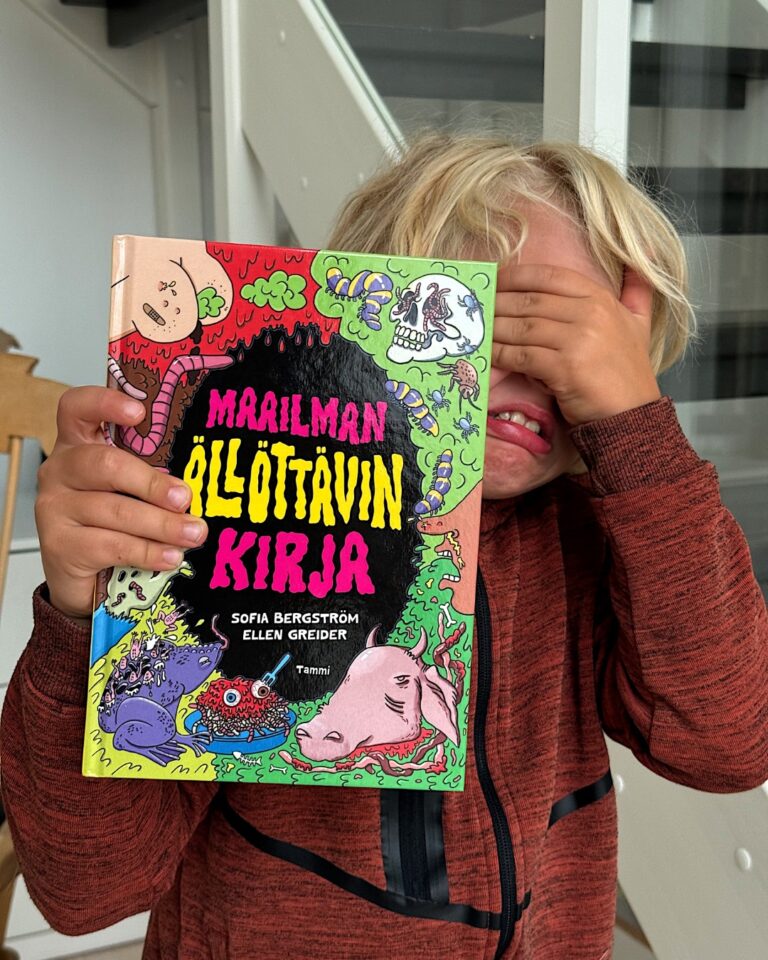
In recent years, a phenomenon has also emerged that can no longer be ignored: children’s books where every plot revolves around farts, poop and vomit. And yes – there are a lot of them.
Books in which children are “laughed” with the power of secretions, because nothing else is invented (or can’t be invented) anymore. Publishers compete to see who can sell the next vomit more fun.
As a bedtime storyteller, mother and fairy tale writer with six children, I say it bluntly: This is shocking.
Where is the fairy tale?
Where is the adventure, the imagination and why fairy tales were ever written in the first place?
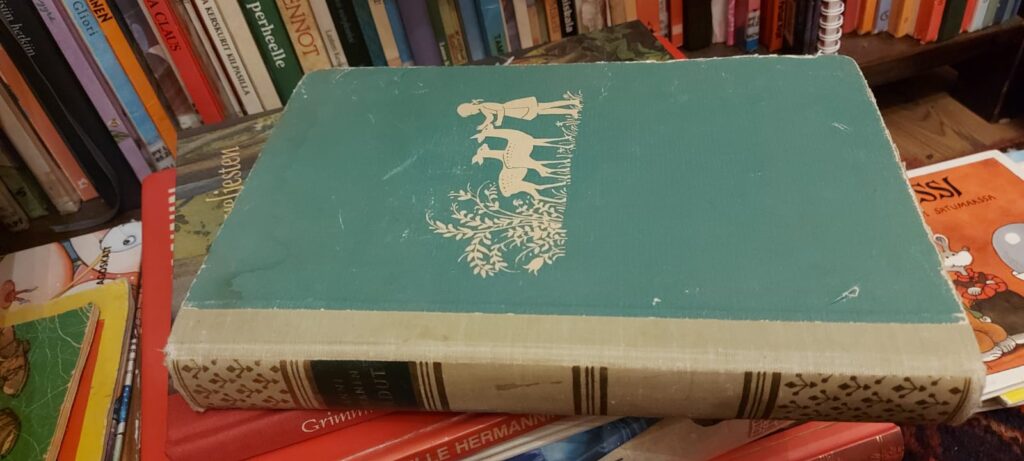
Hans Christian Andersen, Astrid Lindgren, Tove Jansson – they didn’t write for children, they wrote for people who still dared to dream and feel. They wrote lyrics and gave permission to sadness, longing and joy.
At a time when many possibilities should be possible, the fairy tale has been replaced by a bag of vomit and verbal spitting in the mouth. I seriously wonder – is this really the set of values that we want to present to our children as fairy tales?
“When a fairy tale loses its soul, we lose our future.”
Pee as mouthwash and the professional farter of the English court... This book brings together incomprehensible but real information about all the disgusting things throughout history: horrible dishes, vomit and poop, scary animals, smelly corpses and toilet issues.
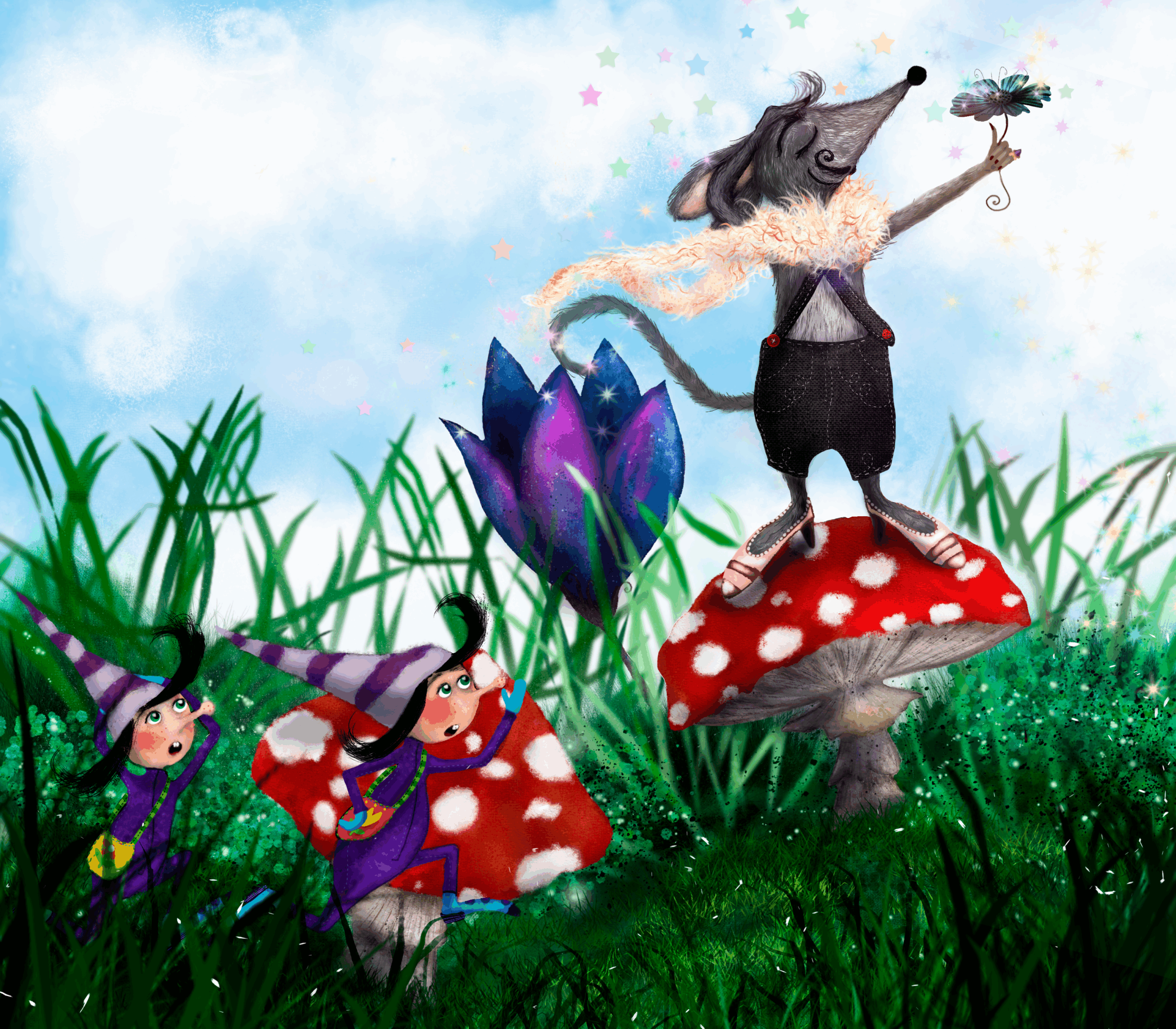
Pomenian Monsieur Mouse knows that the market for vanities is eternal.
When a fairy tale turns into a product
Today, fairy tales are also published with publicity value. You take a celebrity, glue the name on the cover, and the editor writes a piece that someone else illustrates with vector lines. Hiphei– now we have a “celebrity storybook”. Awesome!
But where is the value? Where is the content, the adventure and the soul? Where is the talent and skill?
Nope, you don’t need it because the most important value is that you buy this “storybook”.
When a fairy tale is broken down into a textbook
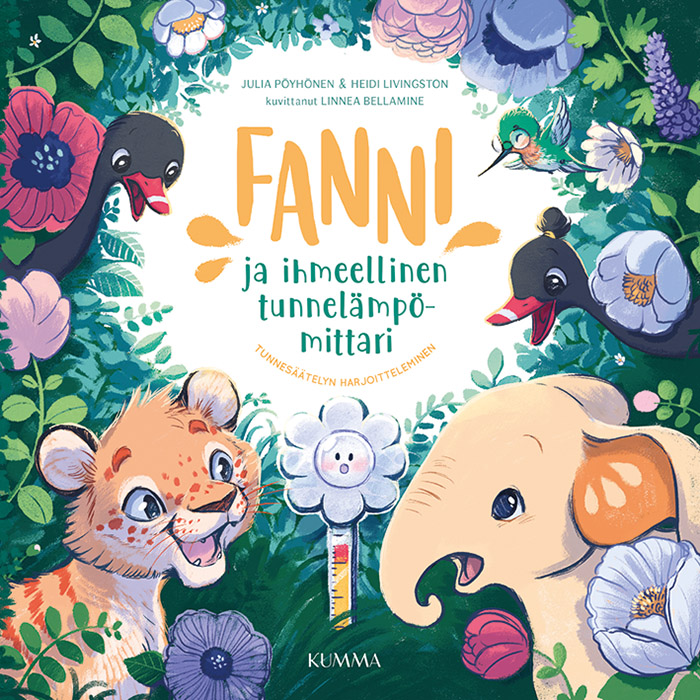
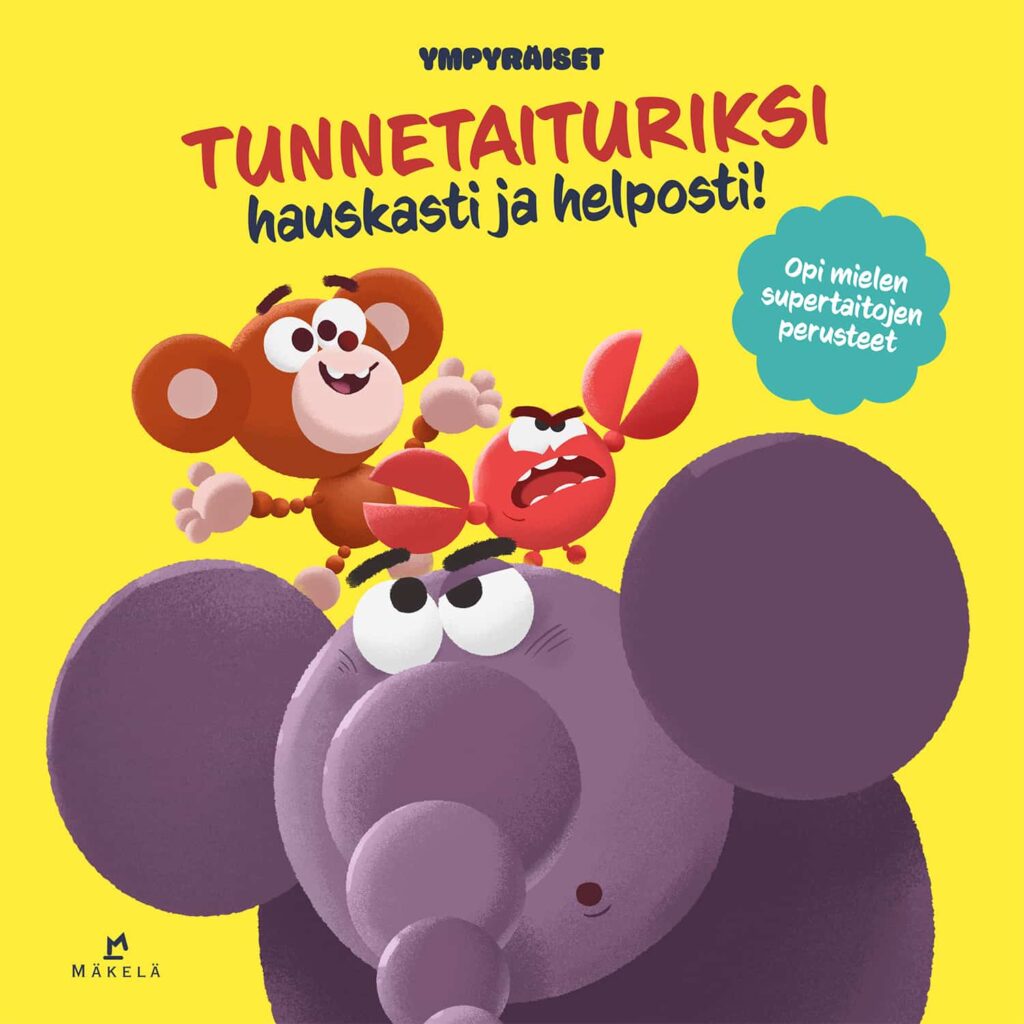
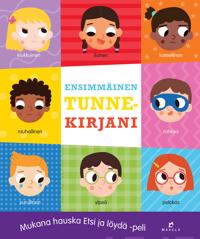
Attempts are also made to turn fairy tales into emotional guides and textbooks. They are broken down into parts from which the child should learn things marked and defined in advance: courage, empathy, fear management. As if the imagination needed an instruction manual for emotions, and one’s own thinking, with its insight, was really forbidden to children by adults.
Of course, I understand that adults buy these emotional guides because they no longer remember what real magic and story feels like – because they have lost the power of their imagination and creativity.
But a real fairy tale is not a lesson or a textbook about emotions, but much MUCH more.
The child and the imaginary world are one and the same
The child and the fairy tale world are not separate – they are the same thing. The child lives in it. Breathe it.
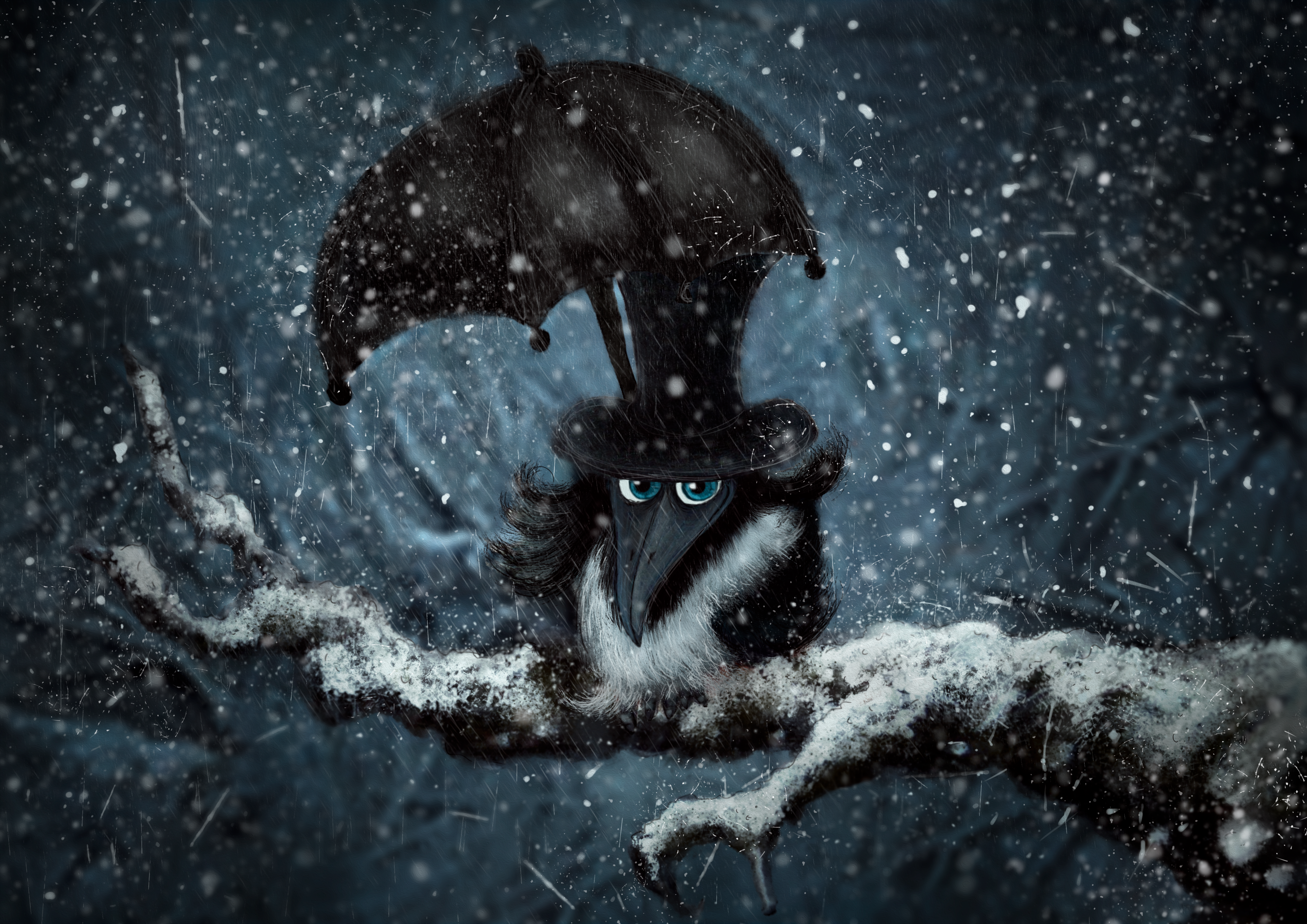
For him, a fairy tale is not a story, but a reality where everything is possible. It also doesn’t matter to the child who wrote the storybooks – it doesn’t matter if it’s the Pomenian Dark WizardKäämä himself, Kalevi Kemppinen. The most important thing is the real magic world, fairy tale and adventure!
The adult has already forgotten his magic. Unfortunately. He measures, compares, evaluates, performs and explains everything. He has left magic behind because he no longer dares to throw himself into it.
Underneath all this nonsense, it is no wonder that TikTok is a more interesting, diverse, surprising and magical pastime than any “storybook” made by an unimaginative adult and published by a poor publishing house without values.
I don’t write adult instructions or guides in storybooks
I create, conjure, illustrate, imagine and write real fairy tales, adventures, fairy tale creatures and magical worlds. Funny worlds where even the tiniest fairy dares to defy the wizard of darkness, because at that very moment it is right.
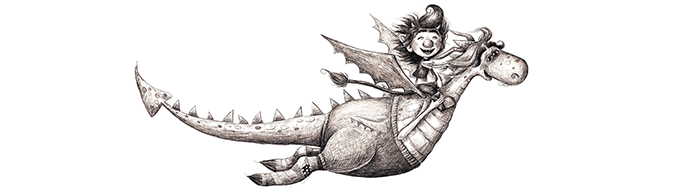
I’m joking about stories about a dragon who doesn’t dare to fly yet because he believes he wasn’t created to fly (Heh! Even though all dragons, like humans, were specifically created to fly!).
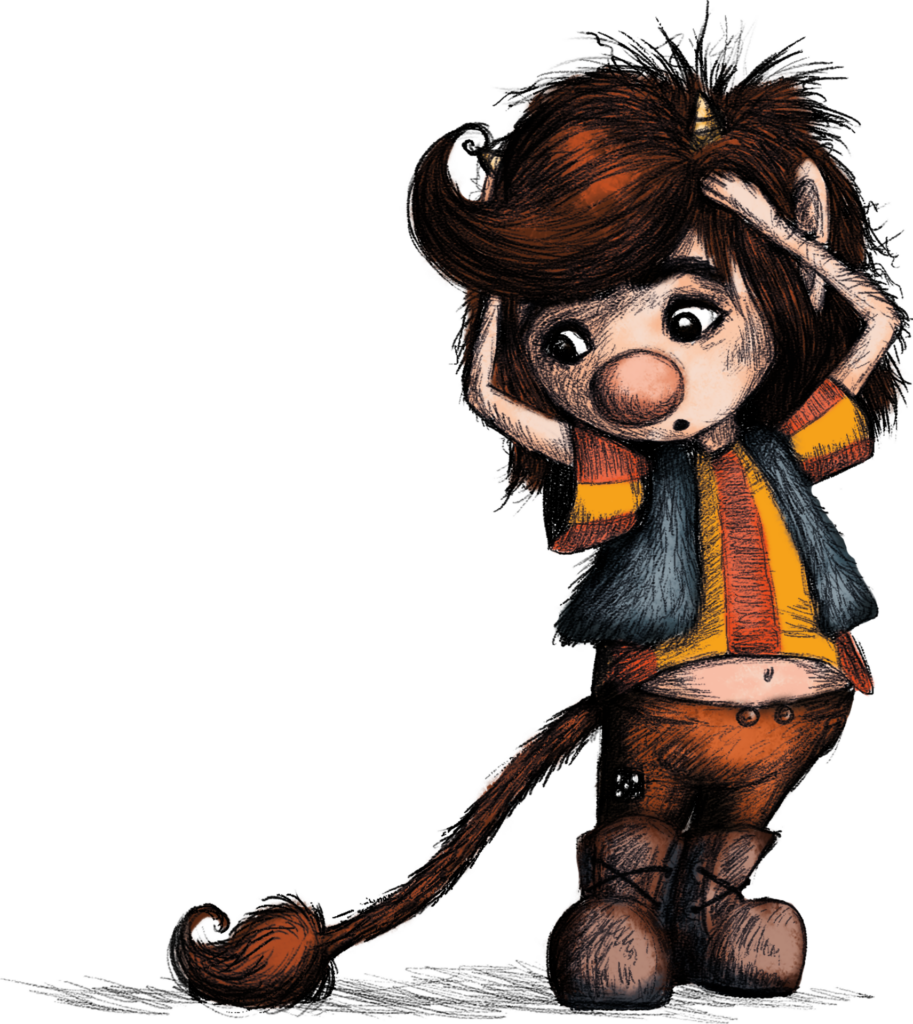
And of course, I tell fairy tales in which a child, when they pop into a magical world, realizes that they are a troll– because in Pomenia, adventures are not as humans, but as magical creatures. (Then I guess I’ll remember better.)
Why? Because real storybooks are more than just storybooks
They are an invitation to an adventure of thought, where creativity takes over and the boundaries of reality are blurred. The stories of fairies, dragons, and trolls are symbols of deeper meanings – reminders that reality is much richer than we even dare to imagine.
With the power of imagination and fairy tales , we travel to a time and place where dreams come true and every moment is full of surprises, magic, magic dust and hope.
The Pomenia I created is a Magical World, where adventure is magnificent, impossible possible, and courage, perseverance, talent or intelligence do not bow to gender, culture or even age. It always happened and it happened – as it should always happen and happen.
The world changes one story, one child, one beating heart and one moment at a time.
And that’s why I’m continuing this journey in spite of everything and everyone.
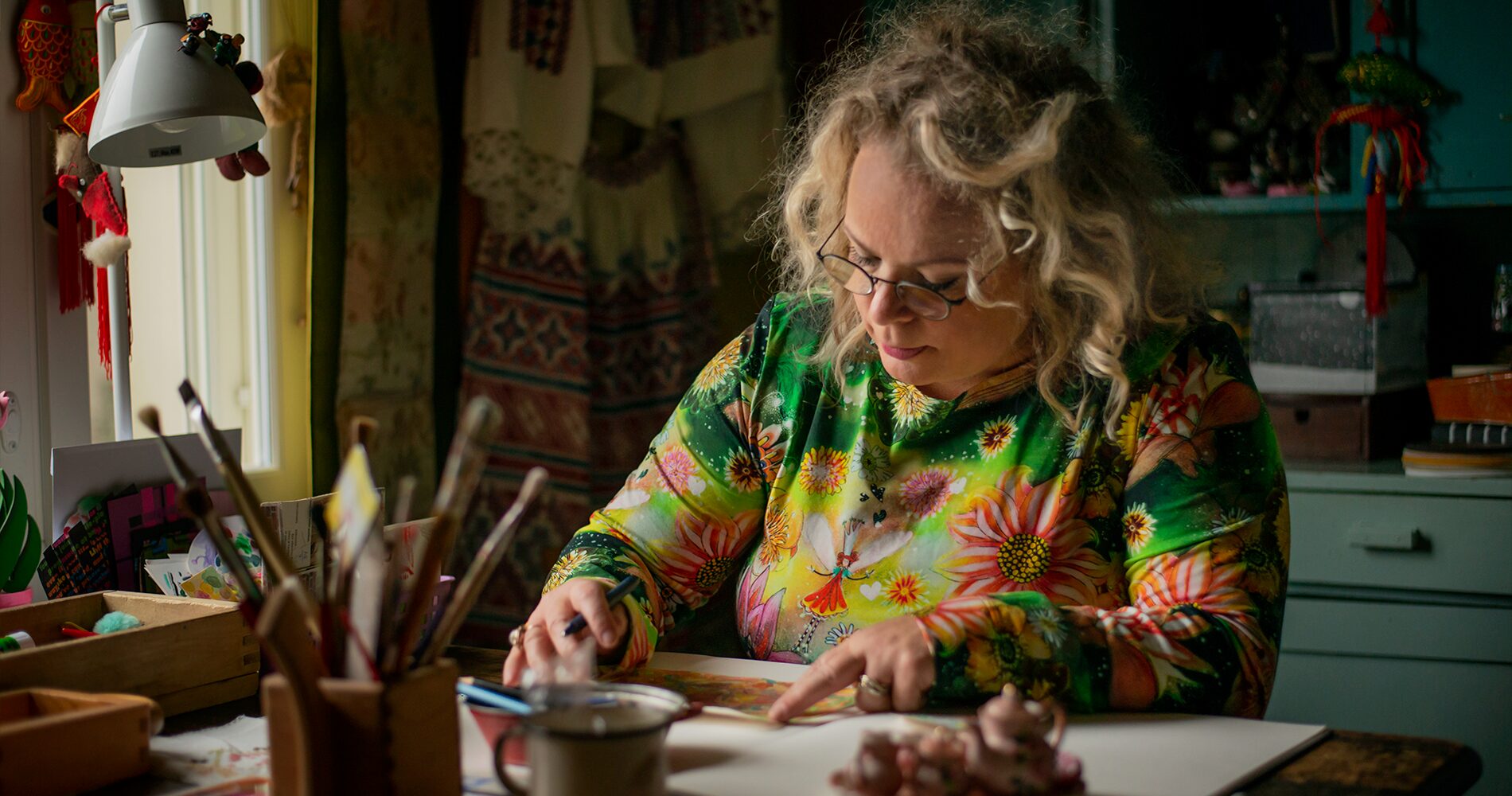
-fairy tale artist Petronella Grahn-
"If you can only give one gift, give enthusiasm! "
Video: Take a peek at the magical origin story of the Magic World of Pomenia